+8615061447755

When people think about guardrail pile drivers, they often focus on engine power or hydraulic hammer size.
But on real highway construction sites, what really matters is whether the machine can work efficiently, safely, and stably, rather than how big the numbers look.
Here’s a practical guide based on real working scenarios—covering questions every project manager and site engineer cares about, but rarely explained clearly.
A common misunderstanding on construction sites is:“The higher the single impact energy, the better the piling performance.”
In reality, this is not only inaccurate but can also be risky.
✔ What single impact energy really means
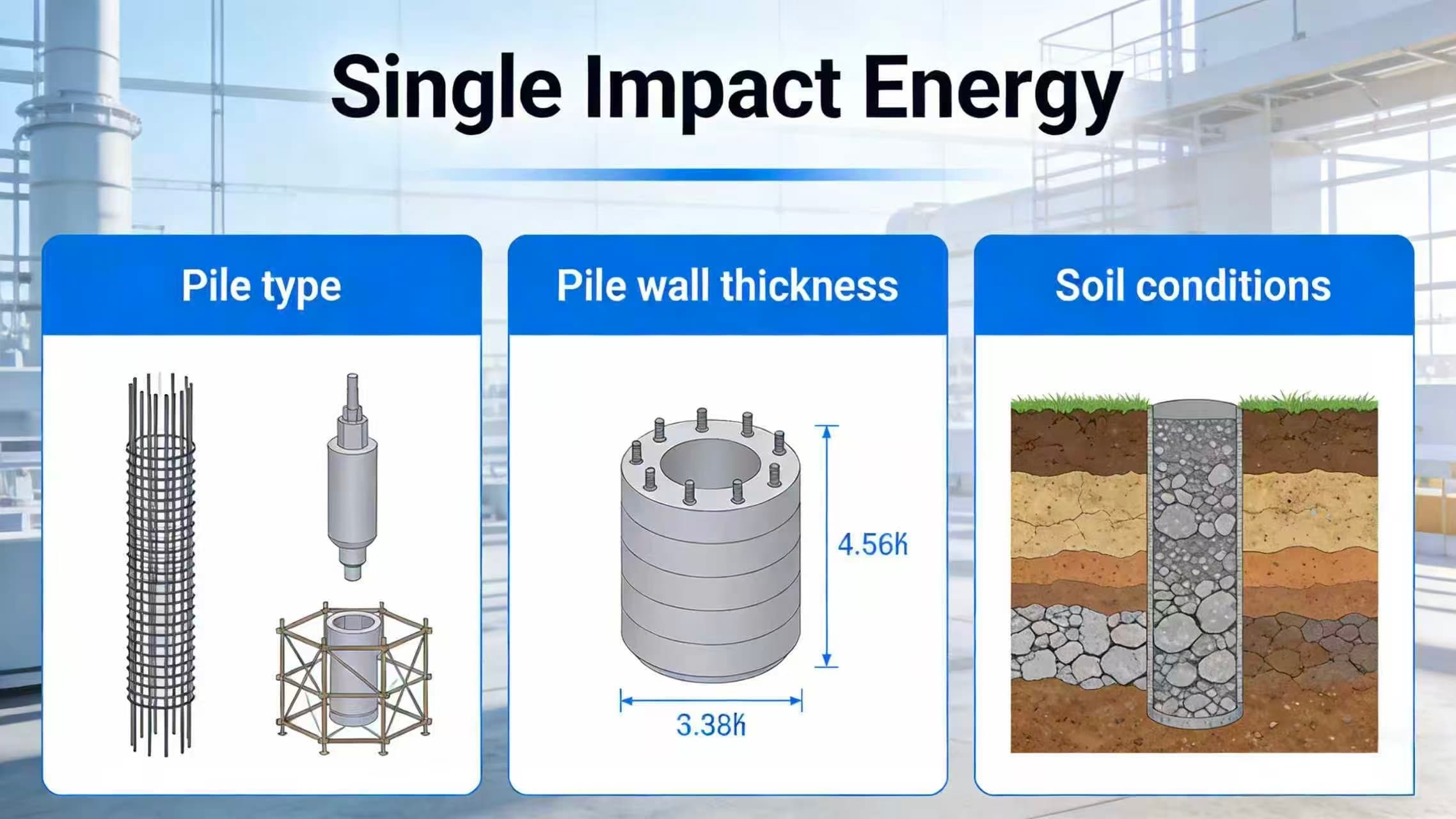
The single impact energy determines how much force each strike delivers to the pile.
It must be carefully matched according to:
Pile type
Pile wall thickness
Soil or ground conditions
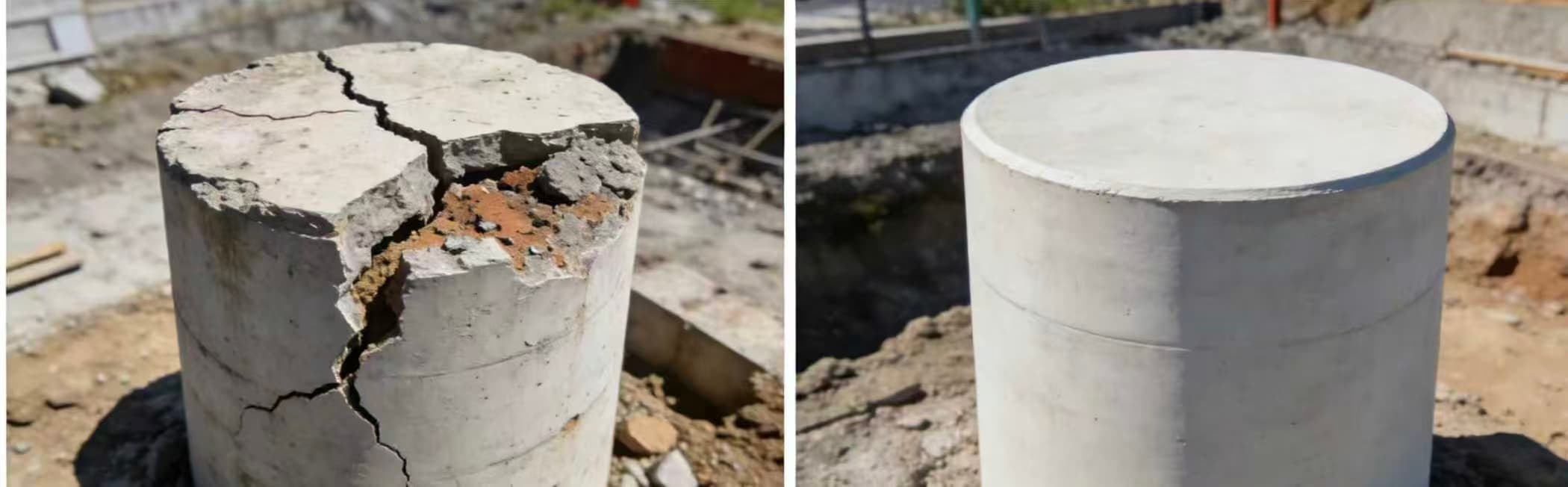
❌ What can go wrong if it’s mismatched
Too high → piles may crack or deform
Too low → piles may not penetrate the ground
✅ Practical recommendation
For most highway guardrail projects, a single impact energy around 1000 J is ideal.
This balance ensures:
Smooth pile penetration
Minimal pile damage
Consistent construction quality
🔧 How to adjust
Single impact energy is regulated via nitrogen pressure inside the hydraulic hammer:
Recommended nitrogen pressure: 12–13 bar
Higher pressure → higher impact energy, but lower impact frequency and lower efficiency
The most effective approach is:
Determine the maximum impact energy the pile can safely handle
Adjust the hammer to achieve optimal impact frequency, rather than the highest possible energy
⚠ Professional note
Most piling machines in China use Type 85 hydraulic hammers (hammer rod diameter 85 mm).
Setting the energy too high (e.g., 1500 J) drastically lowers the impact frequency, which is not practical for professional projects.
Highway and road construction sites are rarely perfectly flat.
Slopes, shoulders, and uneven terrain are common.
On slopes, the key concern isn’t just power—it’s machine stability and reliable braking.
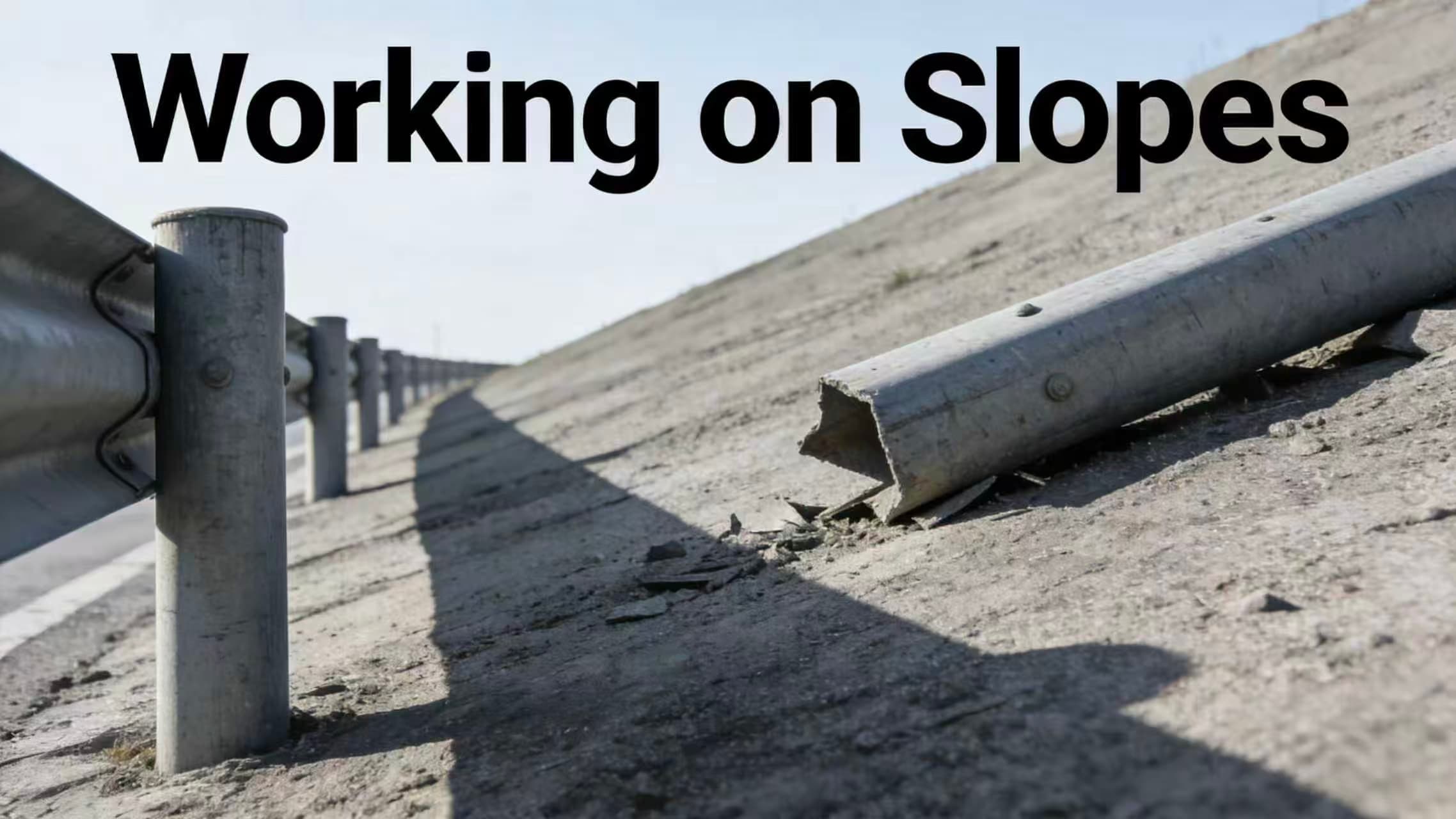
✅ Real project solution
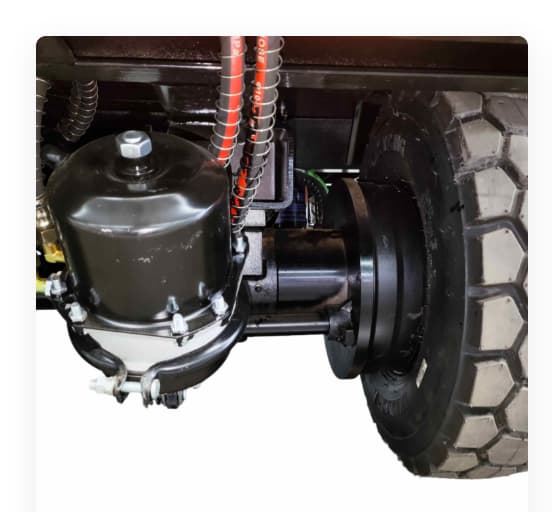
Our TZ390 guardrail pile driver comes with:
Rear wheels equipped with a air cut braking system
This system provides:
Strong braking force
Automatic braking in case of air pressure loss
Secure fixation on slopes
👉 This design is specifically made for slope operation, a feature that many competing machines lack.
The pile height and hydraulic hammer stroke are basic requirements.
For example, if your project requires a pile height of 2.1 m, our machine can reach up to 2.9 m, providing more than enough stroke.
But the most critical factors are:
🧠 Lower Mast = Better Stability
Keeping the mast lower when stroke is sufficient lowers the center of gravity
Lower center of gravity = higher stability and safer operation
🔄 Adjustable Mast Angle
Even on slopes, the mast can be adjusted to a true vertical position
Pile depth and accuracy are unaffected by slope
In short, you don’t need to worry about piles leaning or inconsistent depths during construction.
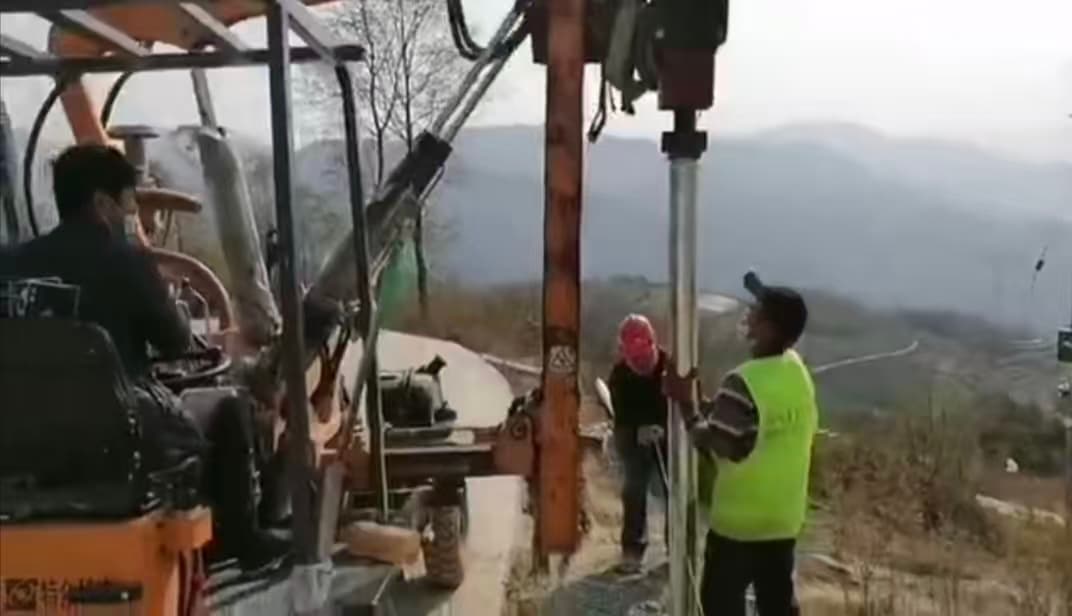
Choosing the right guardrail pile driver is not about bigger numbers—it’s about whether the machine is suitable for your highway project environment:
Correct single impact energy
Reliable slope braking system
Sufficient stroke and stable mast
Easy, efficient operation for one operator
The right pile driver can significantly improve safety, efficiency, and overall project quality, while reducing labor and rework costs.



+8615061447755
 IPv6 network supported
Our hours
Whether it is a holiday or a festival, we will have someone to receive you 24 hours a day and respond to you in the shortest time.
Hi! Click one of our members below to chat on